
Inside the Observability Pipeline: How Enterprises Are Monitoring Everything in 2025
2025-Jul-21
In a world where digital experiences are the core of business operations, enterprises can no longer afford to operate blindly. Real-time visibility, proactive alerts, and intelligent diagnostics have become critical to operational excellence and that’s where the observability pipeline comes in.
In 2025, organizations are building intelligent observability systems combining APM products, digital risk protection services, and advanced enterprise browsers to monitor, analyze, and respond to every layer of their digital infrastructure. Whether managing complex hybrid cloud environments or integrating financial platforms, observability is no longer a luxury it’s mission-critical.
What Is an Observability Pipeline?
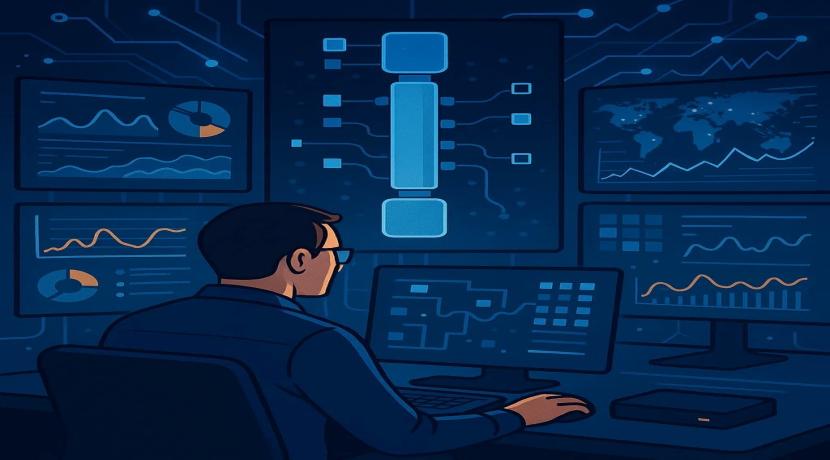
An observability pipeline is a structured system that collects, processes, analyzes, and routes telemetry data logs, metrics, and traces from multiple systems. It gives IT teams real-time visibility into system performance, user behavior, security threats, and operational bottlenecks.
Unlike traditional monitoring, observability pipelines:
- Analyze end-to-end interactions
- Correlate issues across services
- Offer predictive insights using machine learning
- Trigger alerts before systems fail
For companies running hybrid cloud management tools or enterprise ERPs, these pipelines are the heartbeat of operational reliability.
The Role of APM Products in Modern Observability
APM (Application Performance Monitoring) products are core components of the observability stack. They help IT teams:
- Track application response times
- Identify latency and service failures
- Monitor API health and uptime
- Pinpoint performance regressions in real-time
Modern APM products are integrated into observability pipelines, offering visibility not only into apps but also their infrastructure dependencies especially important for businesses managing sales tech stacks and cloud-native tools.
Risk and Security: Why Digital Risk Protection Is Essential
With the rise of digital operations, enterprises also face growing cyber threats. This has made digital risk protection services a non-negotiable part of the observability strategy.
These services:
- Monitor external threat landscapes (e.g., phishing, domain spoofing)
- Scan deep/dark web for exposed company data
- Identify unauthorized data access or credentials leaks
- Help secure sensitive user or financial data
They work in tandem with observability systems to spot vulnerabilities and alert teams before real damage occurs. This is particularly crucial for financial environments where expense reimbursement fraud and unauthorized financial activities are significant concerns.
Observability in Hybrid Cloud and ERP Systems
For organizations running hybrid cloud management platforms or complex ERP systems (like Deltek ERP or Workday for mid-market), observability pipelines do more than monitor uptime they provide operational intelligence.
These pipelines can:
- Correlate system health with cloud resource usage
- Alert teams when cloud service latency affects ERP performance
- Surface anomalies in financial data processing or workflow automation
- Support secure access monitoring through enterprise browsers
Enhancing Financial Visibility with Observability
Observability isn’t just for IT it’s now being used to support finance and compliance teams. With the right setup, businesses can use observability pipelines to:
- Track the source of expense reimbursement fraud
- Monitor real-time approvals and workflow delays
- Flag inconsistencies across T&E claims
- Define financial reconciliation baselines and deviations from standard practices
This is especially valuable in large organizations where financial operations span multiple systems and teams.
Why the Sales Team Should Care Too
Though traditionally an IT concern, observability also supports revenue teams. A well-instrumented sales tech stack benefits from observability through:
- Monitoring CRM API performance
- Tracking delays in proposal tools or CPQ platforms
- Logging demo tool failures or form errors in digital sales rooms
- Ensuring marketing automation systems are firing properly
With sales performance so tightly tied to digital systems, observability becomes a competitive edge.
Frequently Asked Questions (FAQs)
Q1: What is an observability pipeline?
It’s a system that collects and analyzes telemetry data (logs, metrics, traces) across IT environments to provide real-time performance and security insights.
Q2: How do APM products support observability?
They track application health, monitor services, and provide performance data, enabling teams to troubleshoot faster and optimize performance.
Q3: What are digital risk protection services?
These tools detect external threats, data leaks, and impersonation risks to secure digital operations and user data.
Q4: How does observability reduce financial risks?
By tracking workflows, identifying anomalies, and highlighting unusual activity, observability helps prevent issues like expense reimbursement fraud and errors in reconciliation.
Q5: Can observability benefit sales operations?
Yes. It improves uptime and functionality of sales tools, ensuring a smoother buyer journey and more reliable revenue operations.
Final Thoughts
The observability pipeline has become a foundational pillar of enterprise IT and operations in 2025. It bridges the gap between infrastructure, applications, security, and finance delivering actionable insight across every layer of business.
By integrating APM products, digital risk protection services, and advanced enterprise browsers, organizations are not just monitoring they're predicting, optimizing, and preventing problems before they occur.
Whether your goal is to improve performance, reduce fraud, or define financial reconciliation more clearly, observability is no longer optionality’s the nervous system of the modern enterprise.